
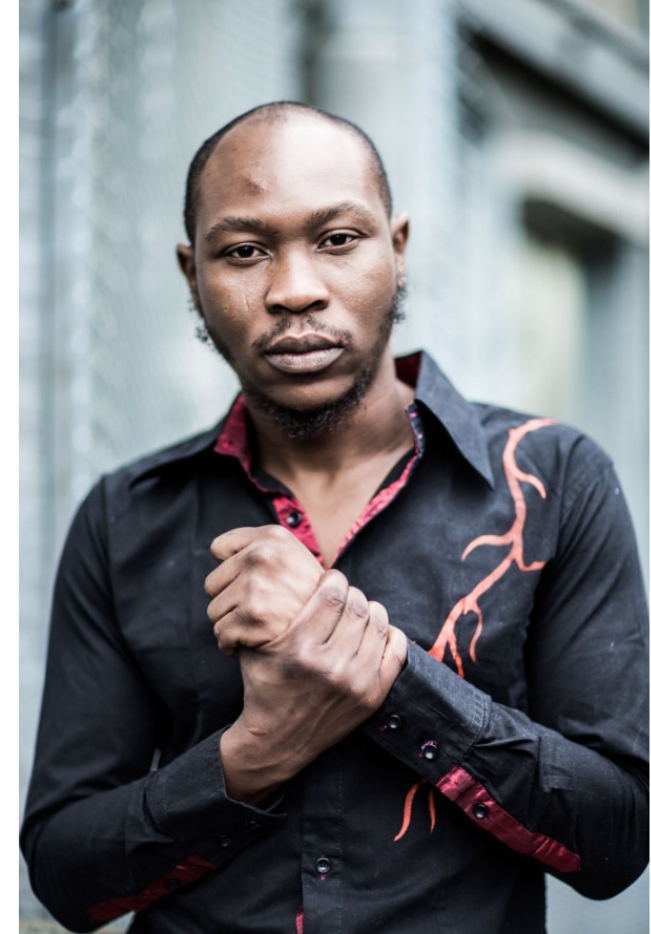
Grammy-nominated Afrobeat singer, Seun Kuti, has revealed that his music career faced over a decade of restriction in Nigeria due to his outspoken criticism of government policies and social issues.
Speaking during a recent episode of the Saleh Meditate podcast, the son of Afrobeat legend Fela Anikulapo-Kuti said he has effectively been “blacklisted” in the Nigerian music industry for about 13 years because of the conscious nature of his songs.
According to Kuti, Nigerian authorities grew increasingly wary of protest music following the impact of his father and other artists who used their platforms to challenge bad governance and societal injustices.
“The impact of Fela and his contemporaries who spoke truth to power scared the government. They realised the power of artistry and began to support artists who avoid social commentary rather than those addressing real issues,” he said.
Kuti alleged that musicians who steer clear of political and social commentary receive more institutional and commercial backing, while those who focus on activism face subtle restrictions and reduced visibility.
He traced the turning point of his alleged blacklisting to a performance at an event hosted during the administration of former Lagos State Governor, Akinwunmi Ambode, noting that his brand of music had already been facing resistance even before then.
“When I am in Nigeria, I don’t fear to say whatever I want to say. Many people say I should be cancelled, but I have been cancelled for about 13 years now,” he stated.
Despite the challenges at home, the Afrobeat star maintained that his career has continued to thrive internationally, stressing that Nigeria accounts for only a small portion of his audience base.
“I have been cancelled for long. People think I am not because I am doing well. Nigeria is just a small percentage of my market, so it doesn’t really affect me,” he added.