
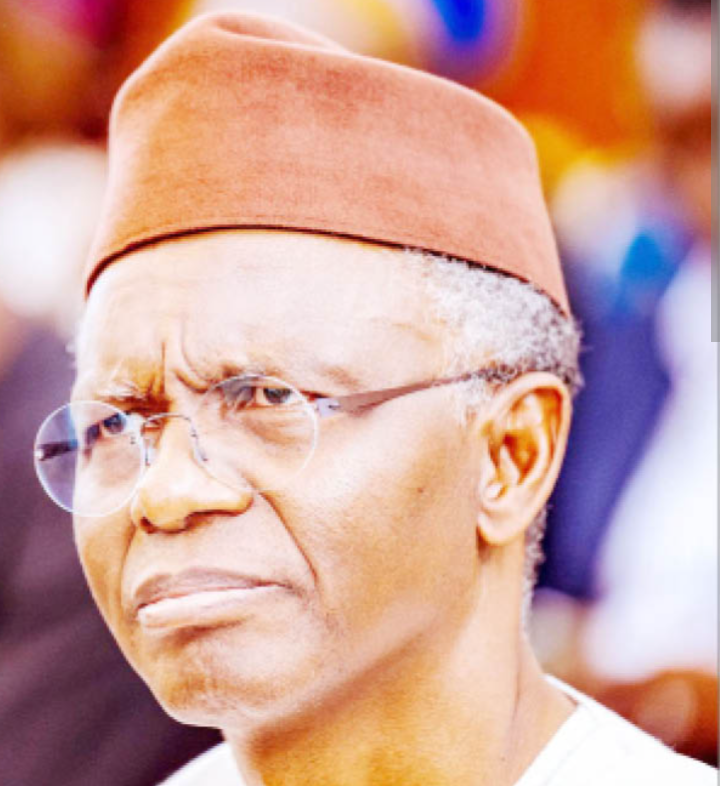
Former Kaduna State Governor, Nasir El-Rufai, has reportedly suffered a nosebleed while in custody, as fresh concerns emerge over his welfare and the legality of his continued detention.
The alarm was raised by his media adviser, Muyiwa Adekeye, who disclosed in a statement on Monday that the former governor has spent eight days in detention after voluntarily honouring an invitation from the Economic and Financial Crimes Commission (EFCC) on February 16, 2026.
According to Adekeye, El-Rufai was interrogated by the anti-graft agency and granted administrative bail. However, he reportedly remained in custody as his legal team sought a variation of the bail conditions — a development the aide described as unjustified and procedurally troubling.
The situation took a more dramatic turn on February 17, when one of El-Rufai’s wives was allegedly prevented from delivering his meal directly to him during a visit. Instead, she was instructed to hand the food over to an EFCC official for onward transmission — a move the family considers both restrictive and unnecessary.
Health concerns intensified after El-Rufai reportedly experienced an overnight nosebleed while in detention. His lawyers have cited the episode as part of broader anxieties over his wellbeing, access to family members, and unhindered communication with legal counsel.
In a further twist, Adekeye revealed that on the night of February 18, the former governor was transferred without prior notice from EFCC custody to the Independent Corrupt Practices and Other Related Offences Commission (ICPC). The abrupt transfer, he claimed, occurred without notification to either El-Rufai or his legal representatives.
Since the transfer, his lawyers have reportedly filed a fresh bail application before the ICPC but are yet to receive a response. The aide also questioned the legality of El-Rufai’s continued detention, stating that no valid remand order has been presented to justify holding him beyond constitutionally permissible limits.
The former governor is scheduled to appear in court on February 25 in a fundamental rights enforcement suit against the Federal Government, the ICPC, the EFCC, and the Department of State Services (DSS). In the suit, he is seeking a court order granting him bail and affirming his constitutional rights.
Adekeye warned that the developments surrounding El-Rufai’s detention raise serious questions about due process, institutional transparency, and the safeguarding of detainees’ rights as legal proceedings unfold.
As the court date approaches, the unfolding drama adds another layer to Nigeria’s evolving anti-corruption narrative — one now intertwined with allegations of procedural breaches and concerns over a high-profile detainee’s welfare.