
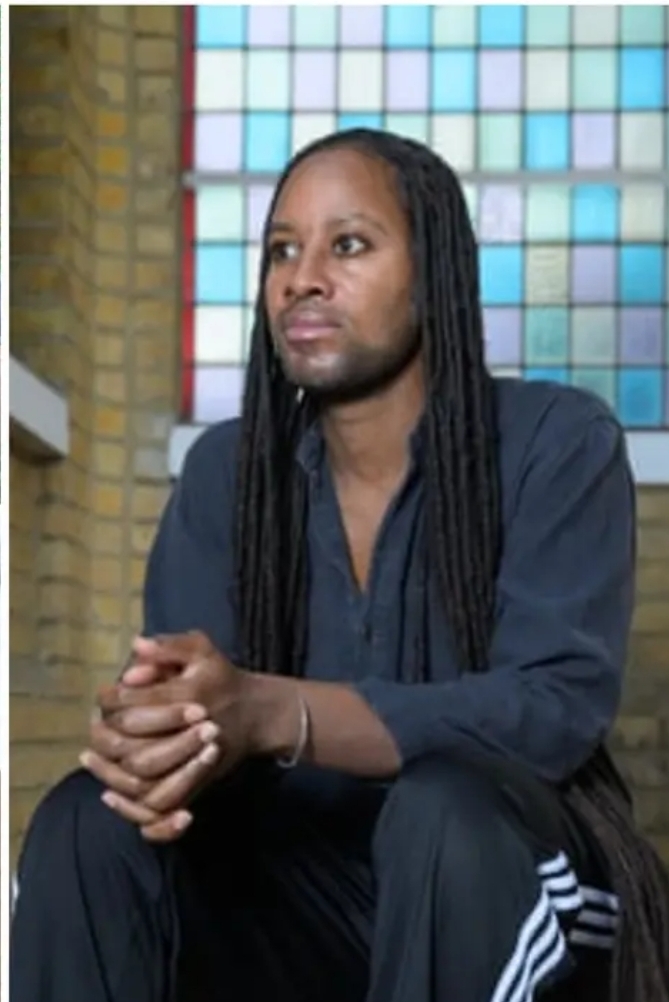
Late Professor Jason Arday, the University of Cambridge academic whose career was overshadowed by plagiarism allegations, has received fresh vindication following an investigation by scientific publisher Taylor & Francis.
The investigation reportedly found no evidence to substantiate claims that Arday engaged in plagiarism or fabricated research data, according to a report by Byline Times published on October 21, 2026.
The findings come months after the death of Arday, who was 41 and made history as the youngest Black professor appointed at Cambridge University.
The late sociologist came under intense scrutiny over his academic work, including allegations that portions of his doctoral thesis and other research publications contained material copied from earlier academic works.
Arday denied deliberately plagiarising other researchers’ work, maintaining that the allegations and public criticism had taken a serious toll on him and his family.
The latest investigation by Taylor & Francis reportedly reviewed his research papers but did not substantiate the accusations of plagiarism or data fabrication.
It follows an earlier investigation by Liverpool John Moores University, the institution that awarded Arday his PhD in 2015. That review did not uphold the plagiarism allegations against his doctoral thesis, with attribution errors reportedly attributed to honest mistakes rather than deliberate deception.
Arday’s career attracted international attention after he was appointed professor of sociology of education at Cambridge in 2023, aged 37. His journey to academic prominence was widely celebrated, particularly because of his accounts of overcoming significant developmental and educational challenges.
However, his appointment later became the subject of controversy as questions emerged about aspects of his academic publications, professional credentials and biographical claims.
On August 5, 2026, Arday resigned from Cambridge after the university announced an investigation following the emergence of new information concerning his academic qualifications and honorary appointments.
In his resignation statement, he described the sustained public scrutiny and personal attacks as deeply distressing, while insisting that his decision to leave should not be interpreted as an admission of wrongdoing.
He was subsequently found unresponsive at an apartment in London in August and was pronounced dead at the age of 41. His family has not publicly disclosed an official cause of death.
Following his death, members of his family alleged that he had endured a prolonged campaign of abuse and misinformation. The controversy also prompted calls for an inquiry into how allegations against the academic were reported and handled.
The latest findings have renewed attention on the case, raising questions about the consequences of serious allegations against academics and the importance of fair, evidence-based investigations before conclusions are reached.
Although the publisher’s review did not substantiate the plagiarism and data fabrication allegations, separate questions previously raised about Arday’s academic qualifications and career should not automatically be considered resolved by that finding.