
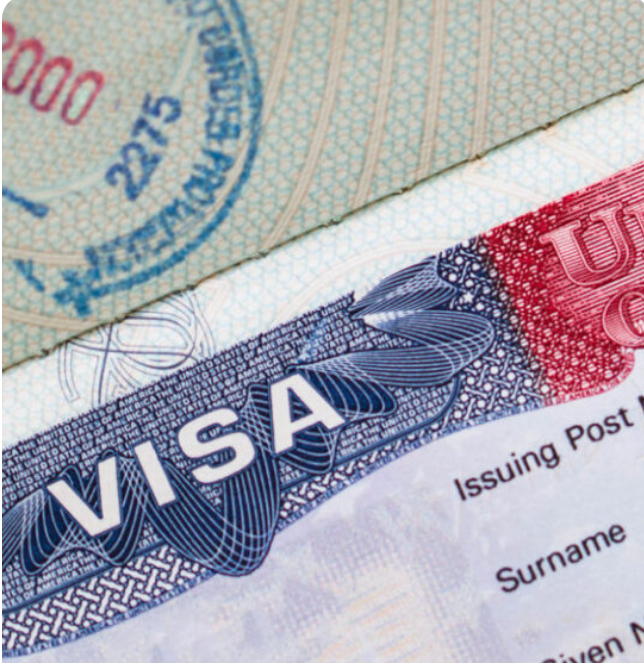
The United States has announced a partial suspension of visa issuance to nationals of Nigeria and 18 other countries, effective January 1, 2026.
The U.S. Mission in Nigeria disclosed this on Monday via a statement posted on its official X (formerly Twitter) account, citing Presidential Proclamation 10998, a security-focused directive aimed at restricting and limiting the entry of certain foreign nationals into the United States.
According to the statement, the suspension affects nonimmigrant B-1/B-2 visitor visas, F, M, and J student and exchange visitor visas, as well as most immigrant visas.
The affected countries are Angola, Antigua and Barbuda, Benin, Burundi, Côte d’Ivoire, Cuba, Dominica, Gabon, The Gambia, Malawi, Mauritania, Nigeria, Senegal, Tanzania, Togo, Tonga, Venezuela, Zambia, and Zimbabwe.
“Effective January 1, 2026, at 12:01 a.m. EST, in line with Presidential Proclamation 10998 on Restricting and Limiting the Entry of Foreign Nationals to Protect the Security of the United States, the Department of State is partially suspending visa issuance to nationals of 19 countries,” the U.S. Mission stated.
The U.S. Mission clarified that the suspension comes with limited exemptions, including:
Immigrant visas for ethnic and religious minorities facing persecution in Iran Dual nationals applying with passports from countries not affected by the suspension
Special Immigrant Visas (SIVs) for U.S. government employees under 8 U.S.C. 1101(a)(27)(D)
Participants in certain major international sporting events
Lawful Permanent Residents (Green Card holders)
It further explained that the proclamation applies only to foreign nationals who are outside the United States on the effective date and do not hold a valid U.S. visa as of January 1, 2026, at 12:01 a.m. EST.
“Foreign nationals, including those outside the United States, who hold valid visas as of the effective date are not subject to Presidential Proclamation 10998,” the statement added.
The Mission also emphasized that no visas issued before the effective date will be revoked as a result of the proclamation.
Despite the suspension, affected applicants may still submit visa applications and schedule interviews. However, such applicants may ultimately be found ineligible for visa issuance or admission into the United States under the new policy.
The proclamation, issued on December 16, 2025, targets countries considered higher-risk under U.S. security assessments and has been formally published in the Federal Register.
Early reactions from Nigerians on social media reflect frustration and concern, with many lamenting potential financial losses from already-paid visa application fees. Others expressed sarcasm and anger, with some calling for the restrictions to be made permanent, underscoring the economic and emotional toll the policy may have on intending travelers, students, and families.